As a Mum of boys, I want to make sure that my husband and I do not limit our sons to what society deems is acceptable for them. After all, masculinity is a social construct and experienced differently by each man; it’s not something our boys are simply born with. Some of the expectations and norms placed on men, such as using aggression to assert power, mean it can be harmful to both men and women (Our Watch, 2019).
Dominant forms of masculinity, and the pressure to conform to them, can also negatively affect men themselves. Men who feel compelled to adhere to these expectations may be less likely to seek help for their health, experience higher rates of depression and suicide, and be more likely to engage in risky behaviours such as substance abuse (Our Watch, 2019).
As a parent, I feel it’s my responsibility to guide my sons to embrace positive and healthy forms of masculinity. This can be hard, especially when children are influenced from a young age by the people around them, such as peers, educators and other family members.
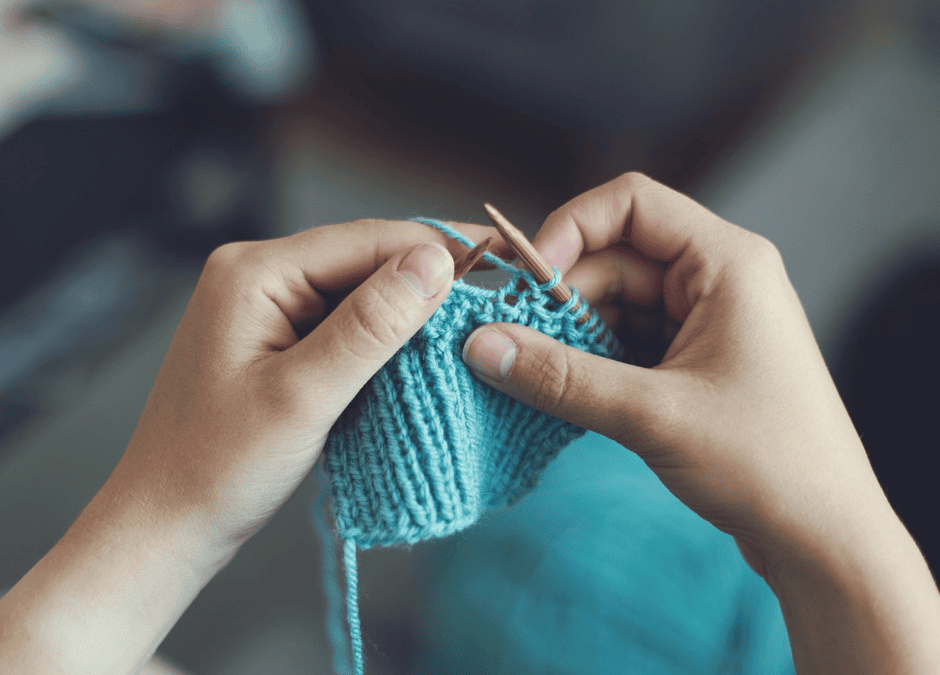
Recently, my 6-year-old asked me if I could knit. I lack the patience and creativity to knit, but I told him that his granny had taught his dad. My son couldn’t believe it! He responded with ‘Gee, I didn’t know that boys could knit. I thought only girls could!’
Since discovering that his dad can knit, my son has been keen to learn and wants to knit together with him. So, my husband is having a crash refresher course on knitting, and the two of them are hoping to start knitting together.
This is a very simple example, but it has made me reflect on the messages our children receive about what boys and girls are “supposed” to do. As my son grows, I want him to feel comfortable and confident trying things that fall outside what society has constructed as masculine. More importantly, as he continues to grow into his teenage years and, eventually, adulthood, I want him to avoid limiting himself based on these expectations and instead embrace qualities associated with healthy masculinity – or, rather, positive humanity.
I want him to understand that violence and aggression are never acceptable responses to conflict. I want him to know that he has the right to express a wide range of emotions, and to feel comfortable asking for help when he needs it. I want him to treat others with respect and equality, and to experience caring, supportive friendships with other men.
Most importantly, I want my 6-year-old to build the skills of self-reflection and to become the best version of himself – one that spreads kindness. These things will open so many more opportunities for my son, and other boys, than if they were to conform to current norms of masculinity. As parents and as a society, we all have a responsibility to embrace healthier forms of masculinity so that the men of the future can be healthier, happier and better equipped to respect and value those around them as equals.
More information:
Men in focus: Unpacking masculinities and engaging men in the prevention of violence against women
References:
Our Watch (2019) Men in focus: unpacking masculinities and engaging men in the prevention of violence against women, Our Watch, Melbourne, Australia.