Children aged 0–5 learn at an incredible pace. They are watching, listening and making meaning from everything around them — including the small messages adults send about gender.
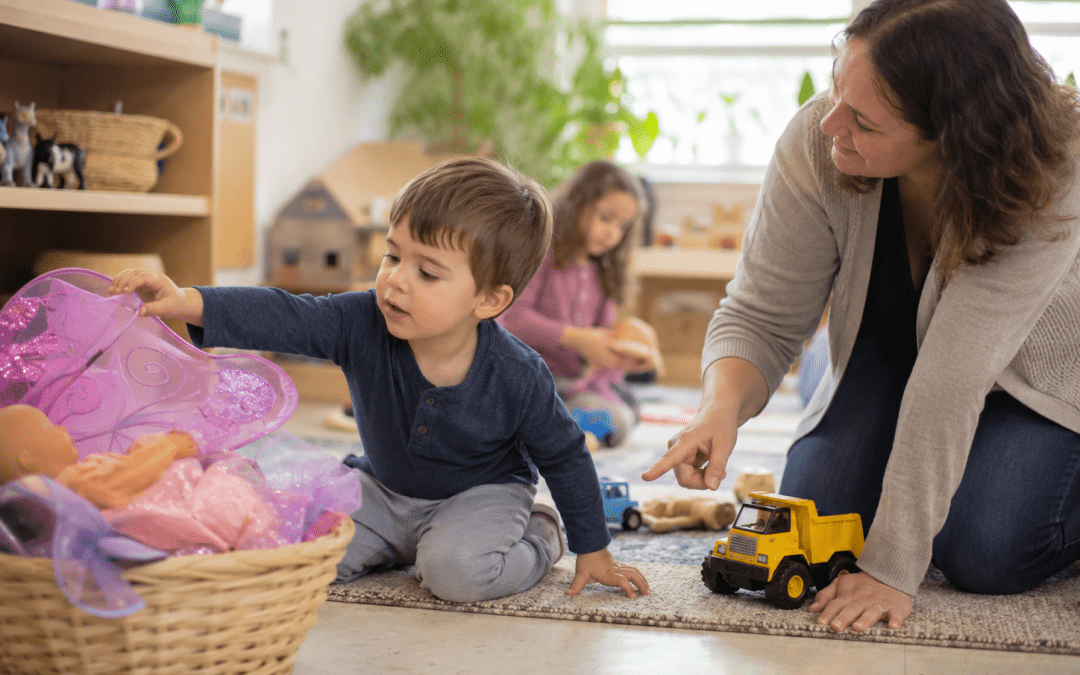
Even subtle redirection can teach children what boys and girls are “supposed” to like. A boy reaching for a doll might be handed a truck instead. A girl climbing might be reminded to be careful or have an adult intervene, for her safety.
These moments are rarely meant to harm; they are habits formed from our own life experiences. But if we are to create a better future for our children, we need to be willing to make small changes within ourselves. Young children are careful observers, they notice what is encouraged, corrected, laughed at or quietly redirected.
Supporting children beyond rigid gender stereotypes does not mean pushing them away from what they love. It means making sure all children have genuine freedom to explore their interests as well as new and unfamiliar experiences.
A helpful place to start is by noticing our own responses:
Do I respond differently when a boy or girl chooses the same toy, colour or costume?
Do I praise boys and girls for different things?
Do I feel uncomfortable when children choose a type of play that does not “match their gender”?
Do our books, toys and dress-ups show many different ways to be a person?
Small adult choices send powerful messages. By slowing down and reflecting on our habits, we can help children learn, you are allowed to choose, explore and be fully yourself.